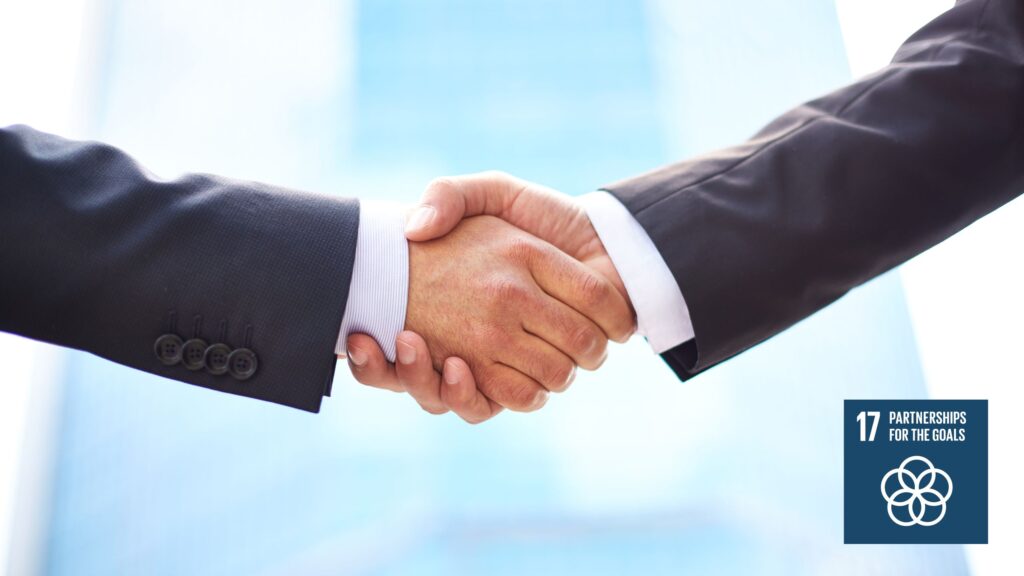
SDG 1 was established by the United Nations in 2015 and aims to mitigate poverty in all its forms, including extreme poverty, by 2030. To achieve this goal, the UN has outlined targets to mitigate extreme poverty for all people everywhere, reducing poverty in all its dimensions, and creating social protection systems for those who are most vulnerable.
The Sustainable Development Goal (SDG) for “No Poverty” focuses on supporting people living in extreme poverty, by providing access to basic services, food security, and improved living standards. It also aims to create economic opportunities, reduce inequality, and ensure social protection and access to public services.
To achieve this, SDG #1, No Poverty calls for the implementation of policies and strategies that increase income and productive employment, and reduce vulnerabilities. The goal is to ensure that everyone, everywhere has the resources and opportunities to live a life of dignity.
What are the goals of SDG 1?
The goals of SDG 1, No Poverty are:
- reduce inequalities within and among countries;
- create equal opportunities for all;
- build inclusive, resilient and sustainable societies.
To achieve this, SDG 1 calls for ensuring social protection for the poor and vulnerable; improving access to public services; and promoting the rights of all people.
Additionally, SDG 1 calls for implementation of policies that ensure equal rights to economic resources, such as access to land, technology and financial services, as well as greater participation in decision-making.
Finally, it calls for investment in infrastructure and industrialization, particularly in developing countries, in order to create productive jobs and promote inclusive and sustainable economic growth.

worapu
Why is No Poverty important for sustainability?
Poverty is the main barrier to sustainability as it can limit access to essential resources and services needed for a healthy environment.
Poverty can lead to people lacking access to clean water, proper nutrition, and healthcare, which can lead to further environmental degradation.
When people are unable to access the resources they need to survive, they are more likely to deplete natural resources in order to make ends meet.
Poverty can limit the ability of individuals to invest in renewable energy and other forms of clean energy, which is essential for achieving sustainability.
By working to eliminate poverty, we can ensure that everyone has access to the resources they need to live a healthy and sustainable life.
Why is it important to reduce poverty?
Reducing poverty is essential for achieving a healthy and prosperous society.
Poverty can lead to a number of negative outcomes such as:
- poor health,
- lack of education,
- lack of access to basic necessities,
- increased crime.
By reducing poverty, individuals and communities are able to gain access to better education, healthcare, and other resources that can help them become productive members of society.
Reducing poverty can also help reduce economic inequality, allowing people to have access to the same opportunities.
Reducing poverty can lead to more stability and prosperity for everyone.
SDG 1 aims to ensure that all men and women, particularly the most vulnerable, are able to benefit from economic growth and social protection, and to enjoy equal rights and opportunities.
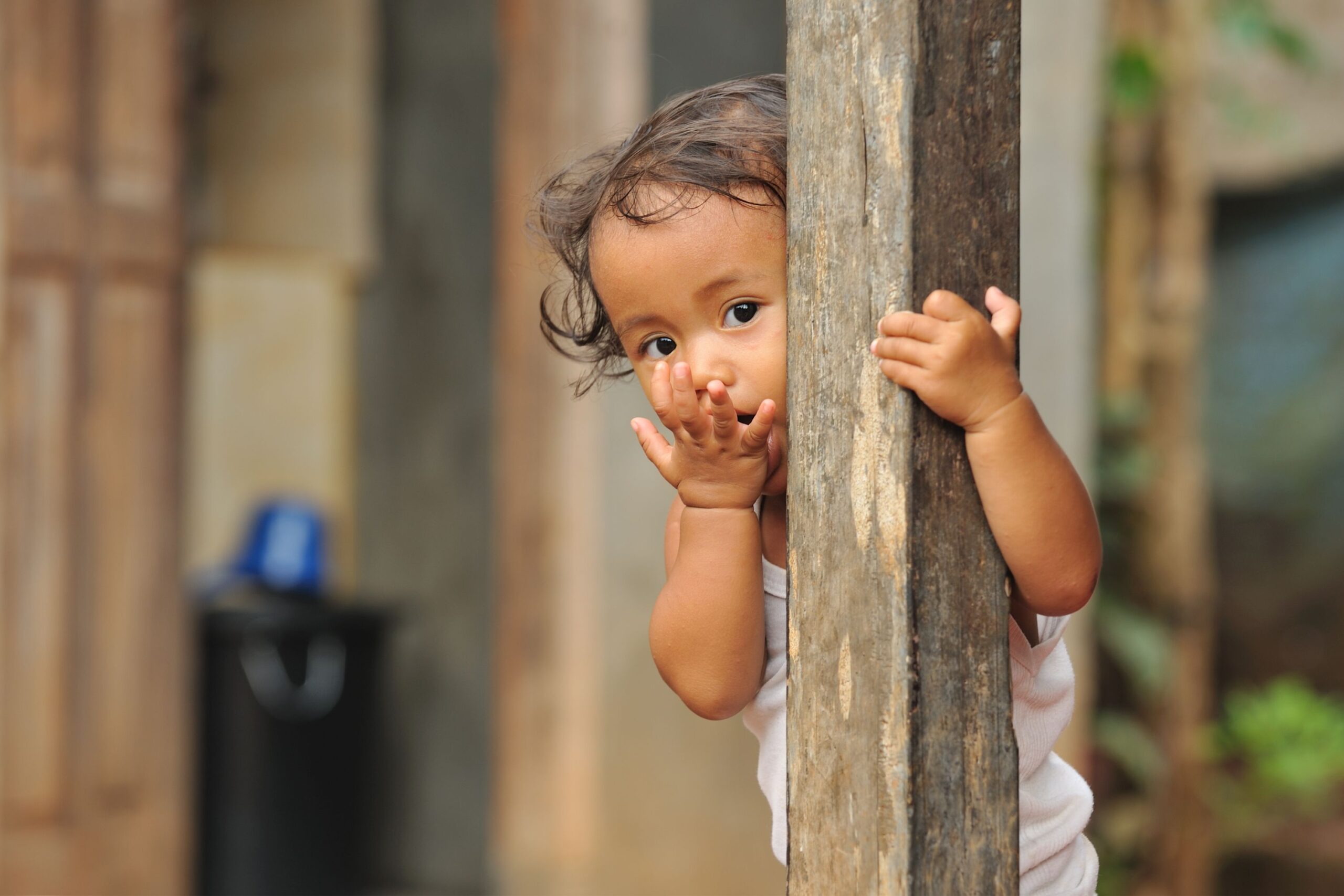
DistinctiveImages, Canva.com
What are the key features of SDG 1?
SDG 1 (Sustainable Development Goal 1) focuses on mitigating poverty in all its forms everywhere. The key features of this goal include:
- Ensuring social protection for the poor and vulnerable
- Creating equal access to opportunities, resources, and services
- Addressing inequalities of income, wealth, and power
- Promoting peaceful and inclusive societies
- Investing in infrastructure and basic services
- Strengthening resilience to economic, social, and environmental shocks
- Empowering and promoting the social, economic, and political inclusion of all, irrespective of age, sex, disability, race, ethnicity, origin, religion, or economic or other status.
What are the targets and indicators of SDG Goal 1?
The Sustainable Development Goals (SDGs) are a global effort to end extreme poverty and ensure everyone has access to basic needs and services.
Goal 1 of the SDGs is to “End poverty”. To achieve this, several targets and indicators have been identified.
The primary target is to reduce the proportion of people living in extreme poverty (less than $1.90/day) to no more than 3% of the global population.
SDG 1 targets include:
- reducing the proportion of people living below the national poverty line by half;
- ensuring equal rights to ownership, basic services, technology and economic resources;
- building resilience to environmental, economic, and social disasters.
These targets are to be assessed by a variety of indicators, such as:
- the poverty headcount ratio;
- the poverty gap index;
- the poverty severity index;
- the share of income or consumption held by the poorest 40%;
- the share of jobs in vulnerable employment;
- the capacity of countries to respond to economic, environmental and social shocks.
By working together to achieve these targets, we can ensure a future, where poverty does not exist.

KasunChamara, Canva.com
How can I improve my SDG 1?
Improving SDG 1 (No Poverty) can be achieved by taking a few different steps. Firstly, start by researching the current poverty issues in your community.
Take note of the poverty-related statistics such as the poverty rate, and the number of people living in poverty. This will help you identify the areas in which you can have the most impact.
Also, you can take a look into the various programs and initiatives that exist in your area, and are aimed to address poverty in your community. Take note of the successes and failures of these programs and use this information to decide on your own initiatives.
You can create a plan of action for how to reduce poverty in your community. This plan should include a list of goals, strategies for achieving them, and an outline for how you will measure success.
Reach out to local organizations and individuals that are already involved in anti-poverty initiatives and find out ways to collaborate with them.
Remember that by taking these steps, you can make a meaningful difference in the lives of those living in poverty.
How can we control poverty?
Controlling poverty is a complex issue, but there are steps we can take to help people in need.
One way is to provide access to education and job training. This will help to create a stronger and more educated workforce, which will give people skills they need to find better paid jobs.
Additionally, providing access to healthcare and nutritious food can help people living in poverty stay healthy and improve their quality of life.
Providing access to financial services and support can help people become more financially stable as they will learn how to manage their money and create a budget.
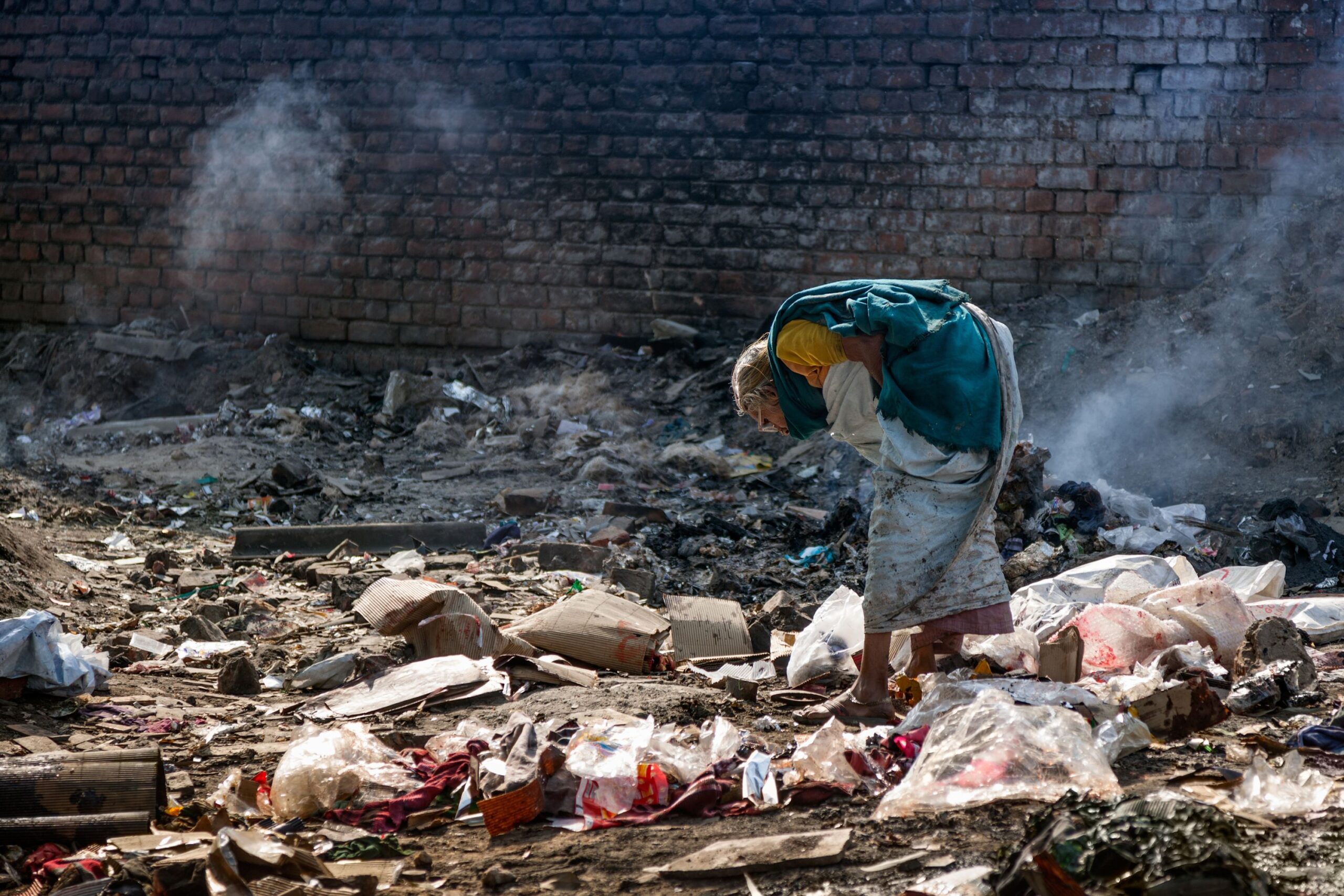
ziprashantzi, Canva.com
Conclusion
Poverty can and should be ended in all its forms. We can achieve this goal by investing in social protection, expanding access to basic services, and strengthening resilience to natural disasters.
These measures will help us to build a future of greater equality and prosperity.
You are invited to join the Community of Sustainable Citizens and make your contribution to the implementation of the global goals. Try the WCYDo App and find out more details about SDG 1 and others. You will be able to choose sustainable actions and track down your progress, share this information with friends and invite them to contribute to building a better future!